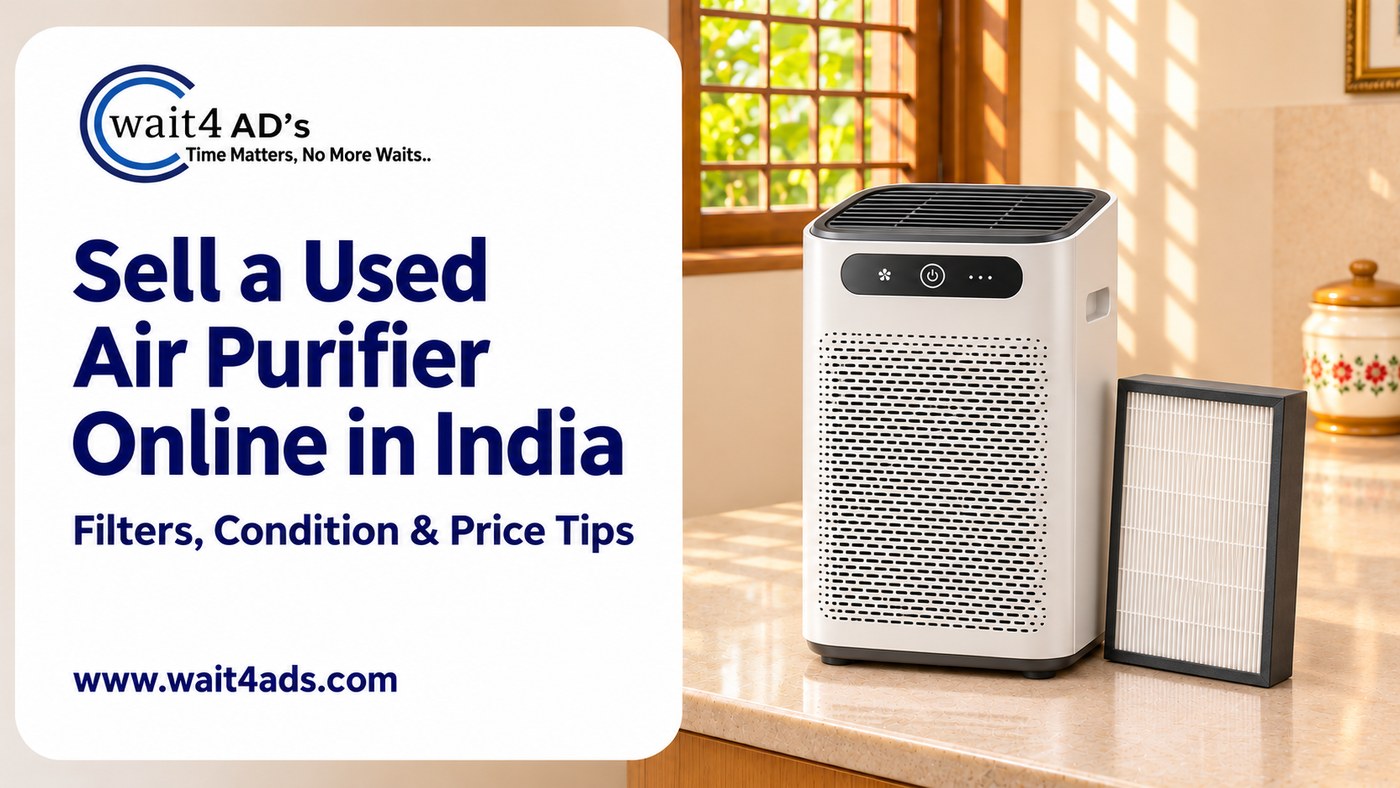
A used air purifier is easier to compare when the listing answers practical questions upfront: which model it is, what condition the filters are in, whether the controls work, and what comes with it. Describe what you can verify and avoid promising a particular air-quality result. A clear listing helps a buyer decide whether the unit suits their room and budget.
1. Identify the model and included items
Write down the brand and model from the rating label. Include the approximate purchase year if you know it, the room-size guidance printed by the manufacturer, and whether the remote, manual, original box or extra filters are included. If it is a smart model, mention the app or connectivity features only if you can confirm they still work. Avoid guessing about coverage or specifications from memory.
2. Explain the filter condition
Tell buyers when the filter was last replaced if you have a record, and whether the filter indicator is currently on. If you do not know the filter’s age or remaining life, say so plainly. Photograph the installed filter and any spare filter, without hiding dust or damage. Do not wash or reuse a filter unless the manufacturer specifically says that filter type is washable; many replacement filters are designed to be changed rather than cleaned.
3. Describe what you have checked
Note visible marks, cracked panels, missing controls, unusual noise or a damaged power cord. If it has been used recently, you can describe whether the display, buttons, fan speeds and timer operated during normal use. Do not claim that it removes a specific percentage of pollutants or improves a health condition unless you have reliable documentation for that exact model and test. If you have not tested it recently, describe it as untested.
4. Clean and photograph it clearly
Wipe the exterior with the method allowed in the product manual, then take photos of the whole unit, controls, model label, filter and included accessories. Use good light and show any wear in a close-up. Keep personal addresses and purchase details out of view, and consider hiding the serial number in public photos. Do not disassemble the unit or spray liquid into its vents to make it look cleaner.
5. Choose a fair asking price
Compare listings for the same model and consider its age, cosmetic condition, tested functions, filter status, included accessories and the cost and availability of replacement filters. A unit that needs a new filter may attract a different price from one with a recently replaced filter. State whether the price is fixed or open to reasonable discussion, and avoid describing a used filter as new or unused unless it is sealed and you can verify that.
6. Plan a simple handover
Tell buyers whether they can inspect the unit before collection and whether you have its box or protective packaging. For a smart purifier, follow the manual to remove your account or reset saved network settings before handing it over. Pack it upright and protect the controls and filter compartment during transport. Confirm payment in your own account before the handover, and never share an OTP, UPI PIN or password to receive money.
Frequently asked questions
Should I include the filter’s remaining life?
Share a remaining-life estimate only if the purifier displays it and you can explain what it means. Otherwise state the filter’s known age or say it has not been confirmed.
Can I describe it as suitable for a particular room size?
Use the room-size guidance printed by the manufacturer for that model. Do not increase the stated coverage based on personal estimates.
What if the purifier has not been tested recently?
Say that clearly in the listing and allow the buyer to inspect the basic controls and operation before agreeing to the purchase.
A precise model description, honest filter notes and clear photos help buyers compare used air purifiers with fewer unanswered questions. You can post a free ad on Wait4Ads to reach people browsing local listings.
Powered by Froala Editor