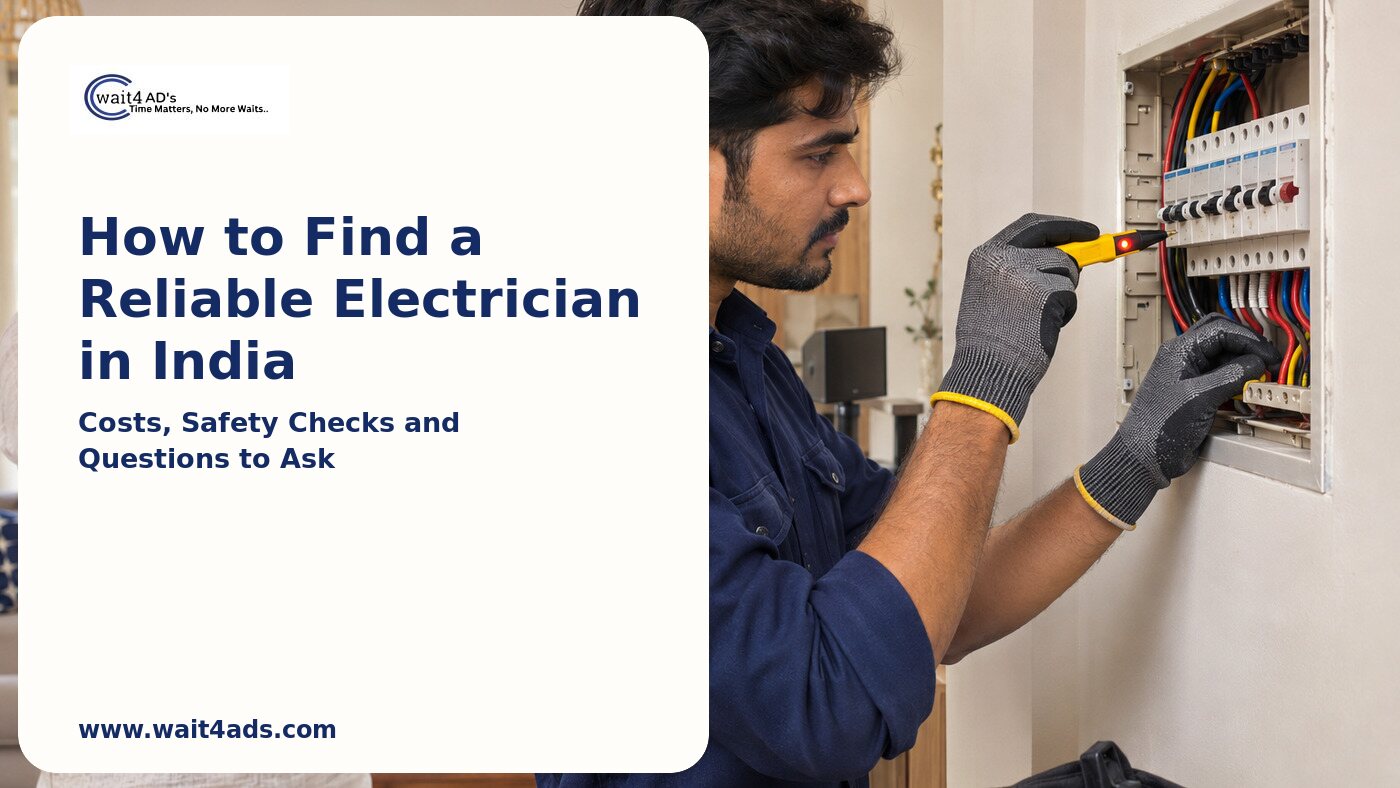
Finding an electrician is about more than booking the first person who answers. A loose socket, a new light point or an electrical fault can involve different levels of work, materials and risk. Before hiring, describe the problem clearly, ask who will perform the work, compare written estimates and check what follow-up is included. Electrical rules and costs can differ by location and job, so confirm the requirements with the relevant local authority and the service provider.
1. Decide what work you need
Write down what you have noticed: which switch, socket, light or appliance is affected, when the issue began and whether it happens every time. Mention burning smells, unusual heat, sparks, buzzing, repeated tripping or visible damage when you request help. Share photos only from a safe distance; do not remove a switch plate or open a panel to take one.
If there is smoke, fire, active sparking or a serious shock risk, keep people away and contact emergency services or the electricity provider as appropriate. Do not touch exposed wires or attempt a repair on energized equipment. For a non-urgent issue, arrange an inspection and let a qualified professional diagnose the cause before agreeing to a repair.
2. Ask what determines the cost
Electrical service prices vary by city, travel distance, job type, time, materials and whether the fault needs diagnosis or replacement parts. Ask whether there is a visit or inspection charge, how labour is billed, what the estimate includes and whether the provider will ask before doing work outside the approved scope. A simple fixture installation and a fault-finding visit are not directly comparable services.
Request a written estimate that separates the inspection fee, labour, materials and any applicable taxes or call-out charges. For a job that cannot be priced until diagnosis, ask what the inspection will cost and how you will approve a repair quote afterward. Compare estimates based on the same description, parts and work scope rather than choosing solely by the lowest headline price.
3. Check experience and local requirements
Ask who will arrive, what experience they have with your type of job and whether they hold the licence, permit or qualification required for that work in your state or locality. Requirements can depend on the work and local rules. For installation changes, rewiring or distribution-board work, ask for the relevant credentials and verify them with the issuing authority when possible. The Central Electricity Authority publishes safety regulations and guidance; use the current official material and check local requirements for your specific job.
Confirm the name or business that will appear on the estimate and invoice, a contact number and how to reach the provider if a problem remains after the visit. Recent customer feedback can help, especially when it describes a similar repair, but reviews alone do not establish a person's qualifications.
4. Clarify parts, replacements and warranty
Ask whether the quoted amount includes parts or only labour. If a switch, socket, breaker, wire or fixture needs replacement, request the make, model or rating, quantity and price before installation. Keep the packaging or take a photo of the label and receipt when useful. Ask whether the part is new, whether it is compatible with the existing installation and who is responsible if it fails.
Get the workmanship warranty or return-visit terms in writing, including its duration, what it covers and how to report a problem. A warranty on a part may be different from a promise about labour. Do not assume a verbal statement covers future faults or unrelated damage.
5. Watch for safe working practices
Ask how the electrician will make the work area safe and what power interruption to expect. Keep children, pets and bystanders away. Do not touch tools, wires, open panels or equipment while the work is underway, and do not attempt to supervise by handling components yourself. If a technician asks you to bypass a protective device, use a higher-rated fuse or ignore repeated breaker trips without investigating the cause, pause and request a clear explanation or a second qualified opinion.
For larger jobs, ask what testing will be done before power is restored, whether circuits or fixtures will be labelled, and what warning signs should prompt a follow-up call. The CEA's official safety material is a useful starting point for household electrical awareness, but it is not a substitute for a site inspection by a suitably qualified professional.
6. Confirm the appointment and work order
Before the visit, confirm the date, arrival window, address, access instructions, visit fee, payment method and cancellation terms. Tell the provider about building entry rules or parking restrictions. For rented property, check with the landlord or property manager before approving changes to fixed wiring or the distribution board.
When the electrician arrives, restate the symptoms and agree on the inspection fee and approved scope. Ask for a revised price before extra work begins. Keep the written estimate, receipt and any messages about the repair. Avoid paying an unexplained advance to an unrelated personal account, and do not share banking passwords, card PINs or one-time codes.
7. Check the work and keep records
Ask the electrician to explain what was found, what was changed and whether any follow-up is recommended. Have the provider demonstrate the repaired fixture or switch from a safe position. Request an itemised bill showing labour, parts and payment received. Save photos of the finished work only if it is safe to take them, along with any part labels, warranty details and invoice.
If the original problem returns, contact the provider through the agreed channel and describe what happened. If a consumer service dispute remains unresolved, the Government of India's National Consumer Helpline provides official grievance information and current ways to raise a concern.
Frequently asked questions
How do I compare electrician quotes?
Give each provider the same description and compare the visit charge, diagnosis, labour, parts, taxes, arrival time and follow-up terms. Ask what is excluded and when a revised quote will be needed.
Should I choose the cheapest electrician?
Price is one factor. Also consider whether the provider explains the diagnosis, provides written terms, has relevant experience and follows safe practices for the work.
Can I repair a switchboard myself?
Do not attempt electrical work that you are not qualified to perform. Opening a switchboard or working near live wiring can cause serious injury or fire. Arrange help from a suitably qualified electrician and follow local requirements.
What should I do if a breaker keeps tripping?
Do not repeatedly reset it or replace it with a higher-rated device to stop the tripping. Stop using the affected circuit if it seems unsafe and ask a qualified electrician to diagnose the cause.
Good hiring starts with a clear description, a written estimate and a provider whose qualifications fit the job. For related home decisions, see our new-appliance buying checklist and our guide to choosing packers and movers. Find local listings and services on Wait4Ads.
Official references: Central Electricity Authority safety regulations · CEA Safety Booklet 2025 · National Consumer Helpline.
This guide is general information and is not a substitute for professional electrical advice. Electrical work can cause serious injury or fire. Requirements vary by location; use a suitably qualified professional and verify current local rules.
Powered by Froala Editor